
Insight
Gastech 2026: The Human Challenge Behind Energy Security
Power demand is rising faster than many forecasts anticipated, while geopolitical disruption has put security of supply much higher on the agenda.
At Gastech, much of the response centered on investment in infrastructure and greater diversification of supply. Across four days of conversations, however, much of our discussion was about what it will take to turn those plans into operating assets at the pace now required.

Energy security will depend as much on how people work together as on the infrastructure being built.
Supply security has become the strategy
Diversification came up everywhere at Gastech.
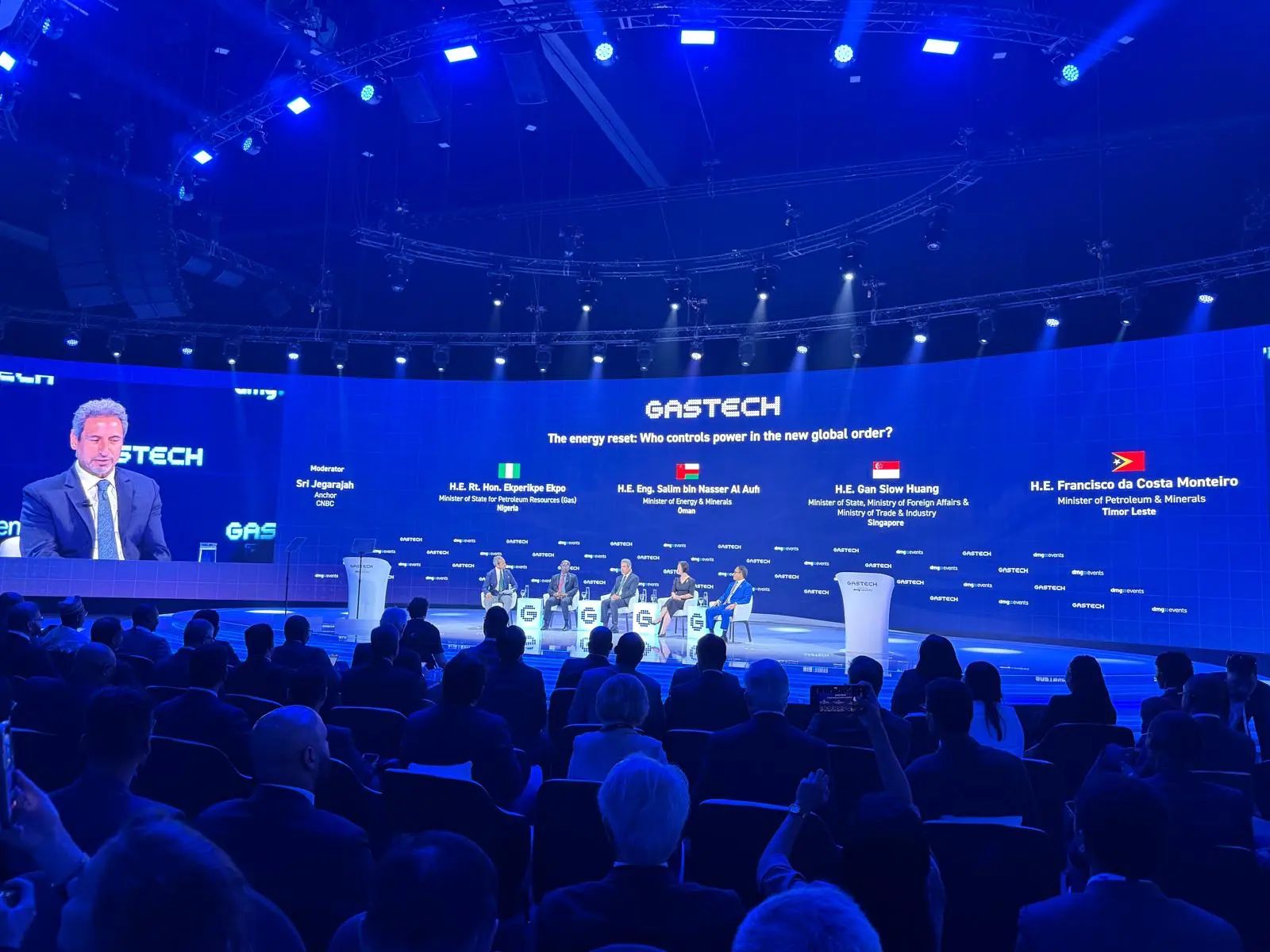
For Singapore, the issue is immediate. Around 95% of its electricity is generated from natural gas. H.E. Gan Siow Huang, Singapore’s Minister of State for Trade and Industry and Foreign Affairs, made the point simply: supply shocks can happen quickly, while recovery takes much longer. Resilience has to be built before the disruption arrives.
Sir Tony Blair approached the issue through affordability. Availability alone does not amount to energy security if businesses and consumers cannot afford the power being produced. With AI adding further demand, the need to secure energy supply and build the infrastructure to support it becomes more pressing.
Diversification creates a delivery problem
Diversification means building new LNG capacity and investing in the infrastructure needed to store, regasify and move energy between markets.
That creates a significant delivery challenge, often involving organizations and partners with little history of working together. Owners also want projects sooner. In several conversations at Gastech, the ambition was to bring completion dates forward, while the commercial structures around those projects were still designed largely to protect an agreed delivery date.
An EPC facing liquidated damages for being late has a strong reason to protect that date. There may be far less incentive to take additional risk to beat it.
Getting people to pursue something beyond the contractual obligation requires a different conversation.
“Go slow to go fast”
The phrase “go slow to go fast” came from one of the strongest project discussions of the week. The argument was for greater clarity before FID, with earlier involvement from the supply chain and more effort spent resolving uncertainty while there is still room to act.
Projects can lose considerable time through indecision. Once execution is underway, unexpected issues will arise and teams will rarely have perfect information. What matters is whether they can work through that uncertainty and make the decisions needed to keep the project moving.
Relationships have a direct bearing on this. Wherever contractual risk sits, a project problem still needs to be solved. Owners and EPCs are better able to deal with issues when there is enough established trust to raise them openly and work through them together.
The least modelled risk is the human system
Technology will play an important role in the build-out ahead. AI and better project data can give teams earlier visibility of emerging risks and opportunities to improve delivery. What happens with that information depends on the people running the project.
The move from development into execution can place very different demands on an organization and its leaders. Ways of working that were effective during development may not hold up when the project gathers pace and the number of decisions increases.
The same challenge exists between organizations, particularly when teams are working together for the first time or operating under different commercial incentives. How they deal with those differences has a direct bearing on delivery.
The human system receives far less attention than the technical and commercial aspects of a project, despite the influence it has on how the project is ultimately delivered.
To learn more about our differentiated approach to capital project performance, visit: https://www.jmw.com/services/capital-project-performance-engagement, or get in touch here: https://www.jmw.com/contact-us

Get in touch with a member of our team
Inquire now