Insight
Climbing the right mountain
Why performance improves when leaders challenge assumptions about culture, process and contractual risk
After more than 30 years working with leaders and organizations, John Fisher, Client Leader at JMW is clear about what matters most to him: human fulfilment and satisfaction.
By fulfilment, he does not simply mean being happy. Work that is deeply worthwhile can be difficult and uncomfortable. It can ask a great deal of us. What matters is having something worth giving that effort to.
“Life is about climbing a mountain,” he says. “The important thing is to make sure you’re climbing the right one.”
That belief has shaped the way he thinks about performance. People have discretionary effort available to them, but whether they bring it to their work depends in part on whether they can connect what they are doing to something that matters.
For leaders, there is a catch. The connection that makes an outcome meaningful to them may be so obvious in their own experience that they never articulate it. A leader excited by improving shareholder returns can assume everyone else will immediately understand why that matters. They may not.
“The perception that the connection is obvious obscures the need to actually make the connection clear.”
People need the opportunity to find their own connection between the work in front of them and something that matters.
“People are at their best and experience fulfilment and satisfaction when their work pivots around something that matters.”
Why culture is a lagging indicator of performance
Culture is often presented as the thing that must be changed before performance can improve. Another way to understand it is as a lagging indicator: something visible in the rear-view mirror. What lies ahead is the need for performance.
That shifts the starting question. What needs to happen that is not happening now?
On one major program, years of accumulated experience had created deeply established ways of working. Even with strong senior sponsorship, it proved difficult to get people into the conversations needed to change them.
Progress began when ownership spread beyond the people at the top. Individuals further into the organization started to see that they could take responsibility for something and make it happen.
Until then, complaints had become an accepted part of the culture. People could readily explain what somebody else was doing wrong without owning their part in producing a different result.
The question was effectively: What are you going to do about it?
Performance started to move when it became: What are you going to do about it, each of you?
Echoing the ancient teaching of Hillel: “If not me, then who? And if not now, then when?”
The constraints had not disappeared. What changed was people’s relationship to them.
Established ways of working do not live only in attitudes or behavior. They become embedded in the processes and controls an organization puts in place. In complex projects, those mechanisms can become so familiar that people stop asking whether they are helping to produce the outcome they were designed to protect.
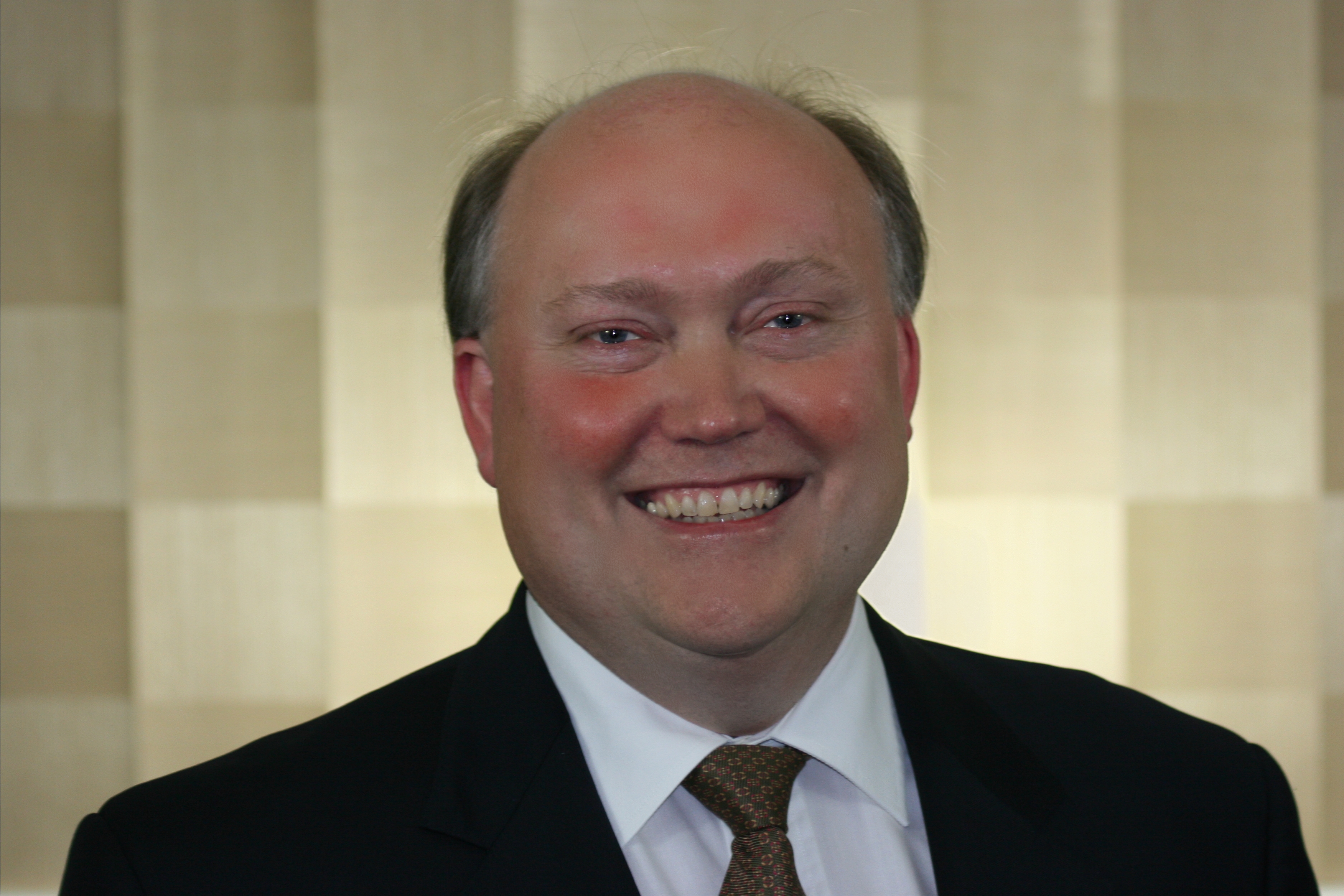
Life is about climbing a mountain. The important thing is to make sure you’re climbing the right one.
When process and risk management get in the way of project performance
Processes exist for good reasons. Something goes wrong, so a control is introduced to prevent it happening again. As experience accumulates, so do the mechanisms intended to protect an organization from risk.
The problem comes when following them becomes more important than the outcome they are there to serve.
One struggling capital project in the Sahara made that visible. The relationship between the client and contractor had deteriorated badly. Productivity was poor and people were arriving at meetings carrying copies of the contract, effectively preparing for the dispute they expected when the project failed.
An initial attempt to teach the project team a new methodology went badly. People dealing with an urgent delivery problem had little appetite for training.
So the intervention moved into the work itself. Instead of explaining concepts, questions were introduced into live meetings. Is that a fact, or a conclusion you’ve drawn?
One of the assumptions this exposed concerned a $10 million damages provision for late delivery. On the face of it, the provision was a sensible way for the client to manage risk.
Looked at from the contractor’s position, it appeared very different. The amount at risk represented roughly the profit it might make from the entire project. The contractor was behaving as though the commercial viability of its business was under threat, and every attempt to apply more pressure reinforced that perception.
Then there was the client’s position. If the project was late, the consequences for its commitments to customers could run into billions of dollars. Ten million dollars in damages would make almost no difference to the client’s actual loss.
The mechanism intended to protect the client therefore presented a serious threat to the contractor while offering the client little meaningful protection.
The client removed it.
“The minute they did that, the relationship changed.”
The contractor went “all in”. Productivity recovered, the project caught up and ultimately delivered early.
The comparison with another project makes the result more striking. Around 150 kilometers away, a similar project was being delivered in the same environment. It did not experience the same shift and remained in crisis, while the project that had changed the basis of the relationship recovered its performance.
The technical challenge had not suddenly become easier. What changed was the way the people involved understood the problem. A contractual mechanism that had appeared to manage risk was actually working against the outcome both parties needed.
A contract may be perfectly rational on its own terms. The more important question is what it causes people to do, and whether that behavior makes the result everyone needs more or less likely.

“The minute they did that, the relationship changed.”
Leadership conversations that turn strategy into performance
The distinction becomes especially visible in leadership meetings.
Capable people are often very good at explaining a difficult situation. In some senior meetings, as much as 80 or 90 per cent of the conversation can be spent describing what has happened or analyzing why. Less than 10 per cent may be devoted to taking a stand about what happens next or producing action.
If nobody intervenes, the same conversation can return at the next meeting. Positions are restated. Disagreements continue. Meanwhile, “the clock ticks, the budget gets spent, and nothing shows up.”
One executive team changed the balance by adopting an unusually strict practice: people spoke when they had something to offer or needed to request something. Descriptive conversation was deliberately reduced.
The change was significant. By shifting the balance of their conversations from describing and analyzing to offering, requesting and acting, the team began moving its agenda forward much faster. They created a new way of operating together, generating traction that carried beyond the executive team into the wider organization.
That is the thread running through many difficult performance environments. Organizations can know a great deal about why something is not working. They can build processes around past failures and become highly practiced at explaining the obstacles in front of them.
Understanding those obstacles matters. But performance asks something more: people taking responsibility for an outcome they believe is worth producing.
It brings us back to John’s mountain. Fulfilment does not come from making the climb easy. It comes from knowing that the mountain you are climbing matters, and being willing to give something of yourself to the climb.
Ready to turn these ideas into performance?
Explore how JMW helps organisations create meaningful shifts in Organizational Performance and improve outcomes across complex Capital Projects.
Understanding what stands in the way matters. Performance changes when people take responsibility for producing a different outcome.

Get in touch with a member of our team
Inquire now